Ancient China · 500 BCE
An accidental culinary revolution
Brewers watched white threads spread through grain bricks - and tasted huangjiu, the first wine coaxed from mycelium. The spark of everything to come.

Ancient mycelium, tomorrow’s protein
One continuous journey - follow the little fun guy back through 2,500 years of fermentation. Scroll to travel through time.
Ancient China · 500 BCE
Brewers watched white threads spread through grain bricks - and tasted huangjiu, the first wine coaxed from mycelium. The spark of everything to come.

Imperial Japan · 715 BCE
Japanese artisans perfected grain wrapped in silky koji mold - rich umami that turned rice into saké, miso and soy sauce, its method set down in imperial brewing scrolls.
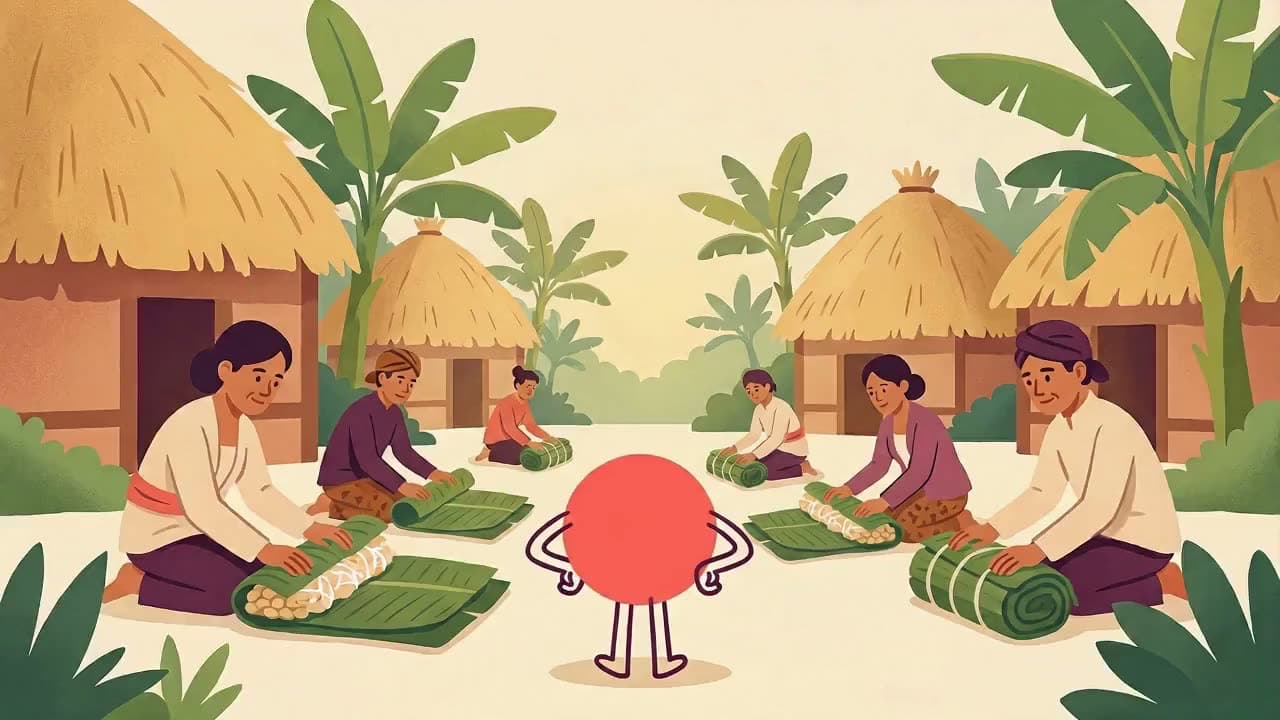
Java · 1815
Wrapped in banana leaves, white mycelium bound humble soybeans into tempeh - proof that fungi could nourish whole communities.
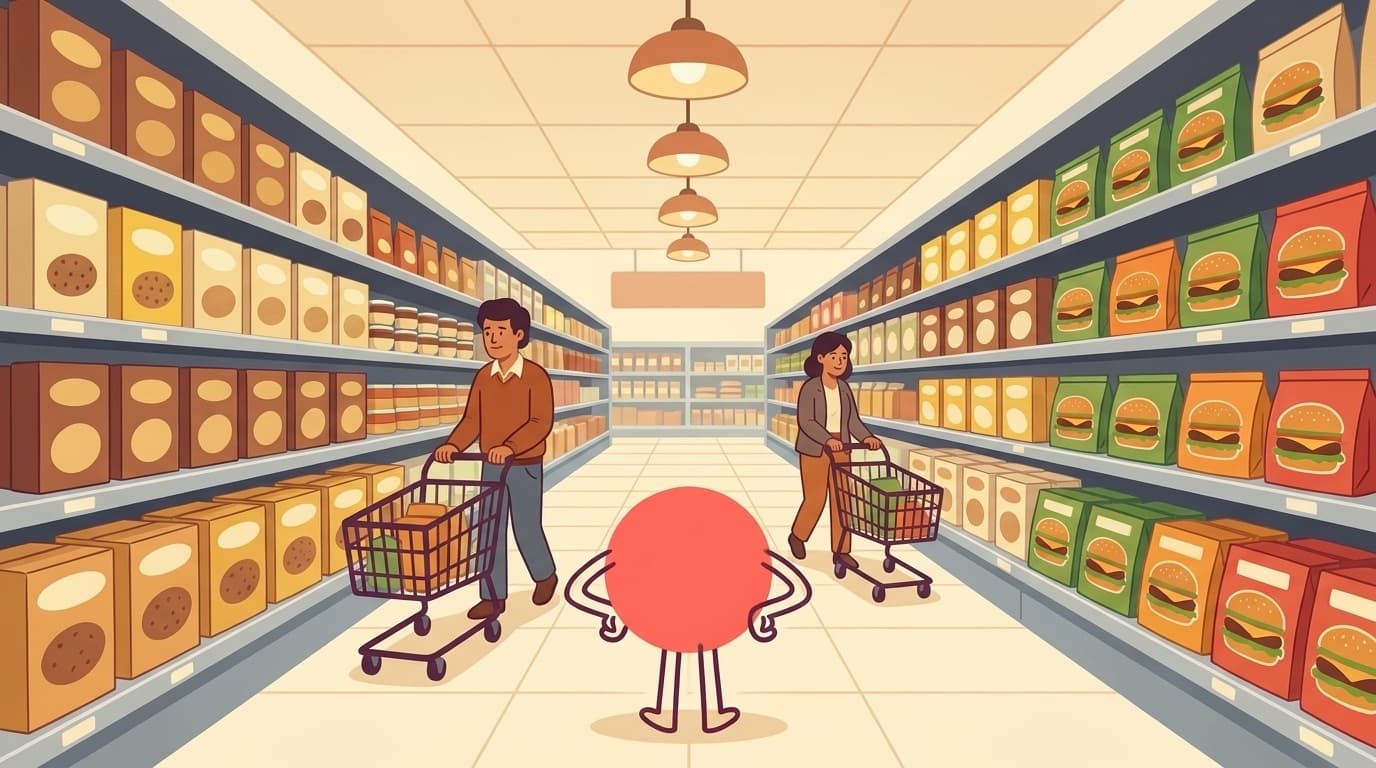
The wider world · 1985
Mycoprotein reached the supermarket shelf. For the first time, fungi-grown food went mainstream - and the idea of meat-without-the-animal took hold.
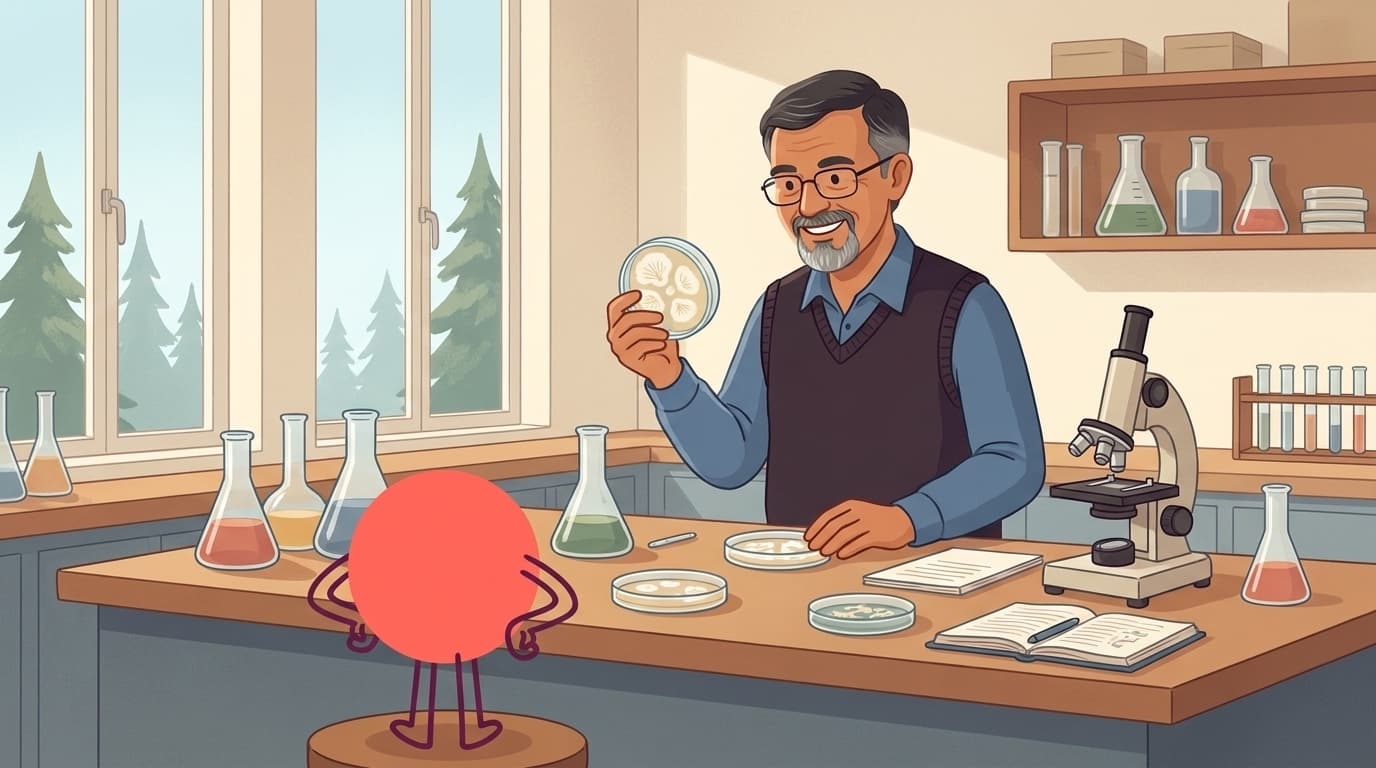
Sweden · 1999-2003
Prof. Mohammad Taherzadeh’s Rhizopus research turned an ancient craft into modern science - the seed of dry-state fermentation.
The documented years
2010
Taherzadeh partnered with a leading Nordic grain cooperative to scale his lab insights in the field. Agricultural leftovers like oat hulls became valuable fungi-powered biofuel. The pilot proved grain byproducts could reliably support large-scale industrial processes - evidence that his method works outside the lab.
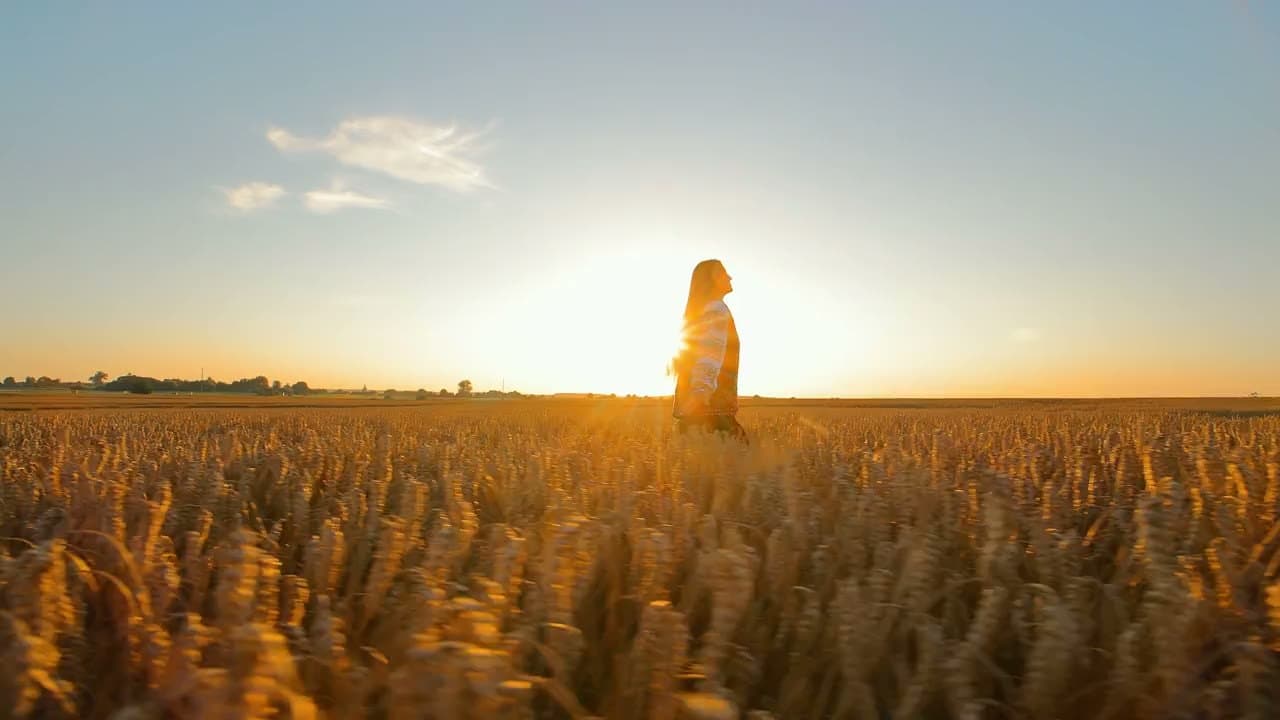
2013
For years, Taherzadeh wrestled with the challenges of liquid fermentation - high energy use, watery substrates, and limited textures. Convinced fermentation could achieve more, he set out to invent a method designed to use fewer resources and deliver richer textures. In 2013, he cracked the code on controlling fungal growth. Through precise techniques, he shaped mycelium into fibrous, meat-like textures. This breakthrough unlocked mycelium's potential as a rival to meat in both taste and feel.
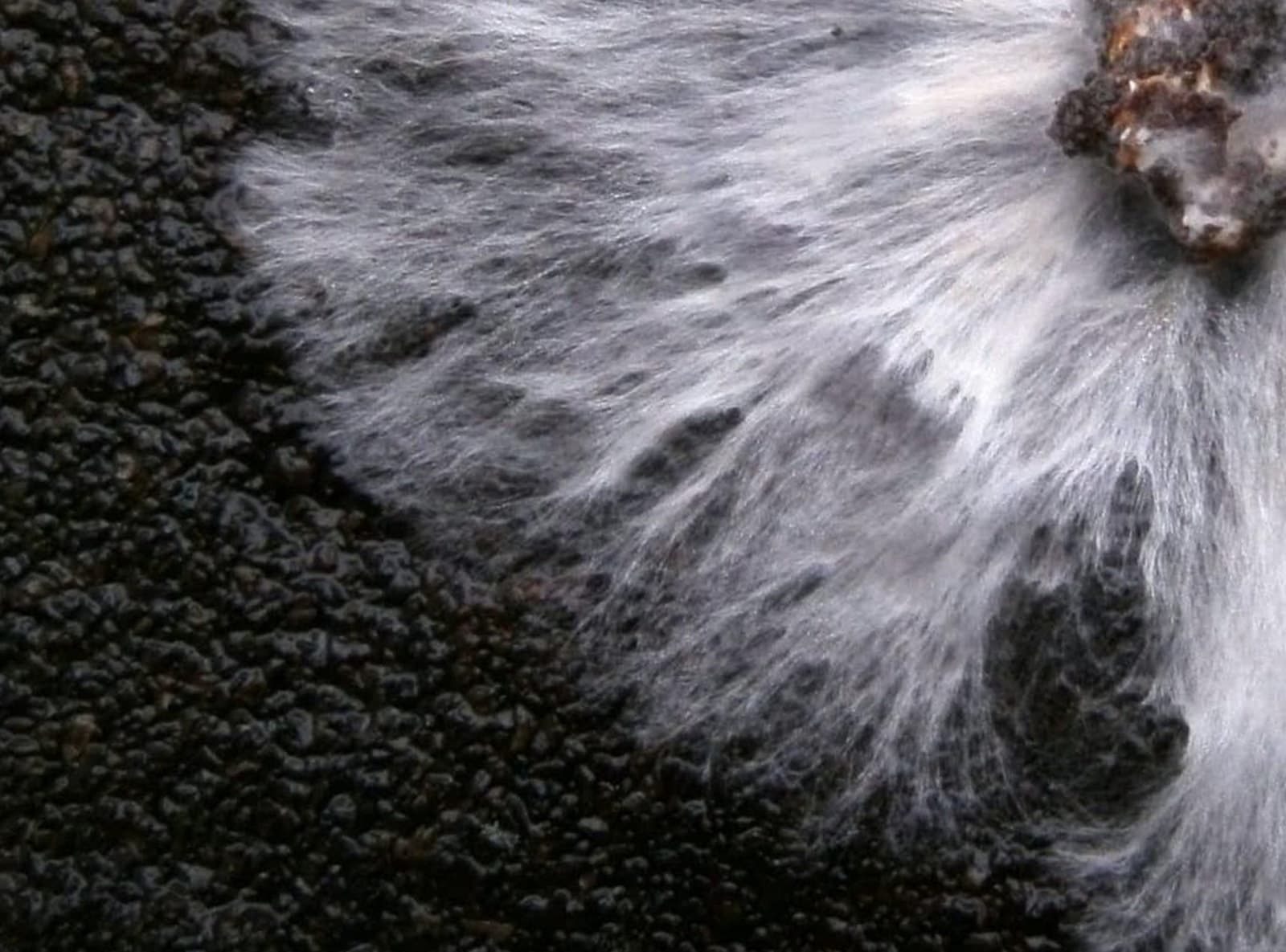
2015
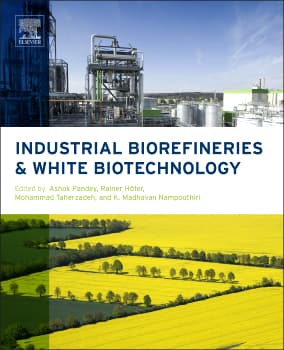
Taherzadeh co-edited the influential textbook 'Industrial Biorefineries & White Biotechnology' and was appointed Associate Editor of Bioresource Technology. These roles helped advance the recognition of filamentous fungi, alongside yeast and bacteria, in sustainable biorefineries and underscored his growing influence across academia and industry.
2019
Taherzadeh led Ways2Taste, a three-year EU consortium of 30 industry and academic partners. The project demonstrated how low-value food-industry residuals like bakery residuals, spent grain, and oat hulls could efficiently become high-protein fungi ingredients, suitable for food and feed. Successful pilot-scale trials and industry partnerships set the stage for commercial fungi-protein production.
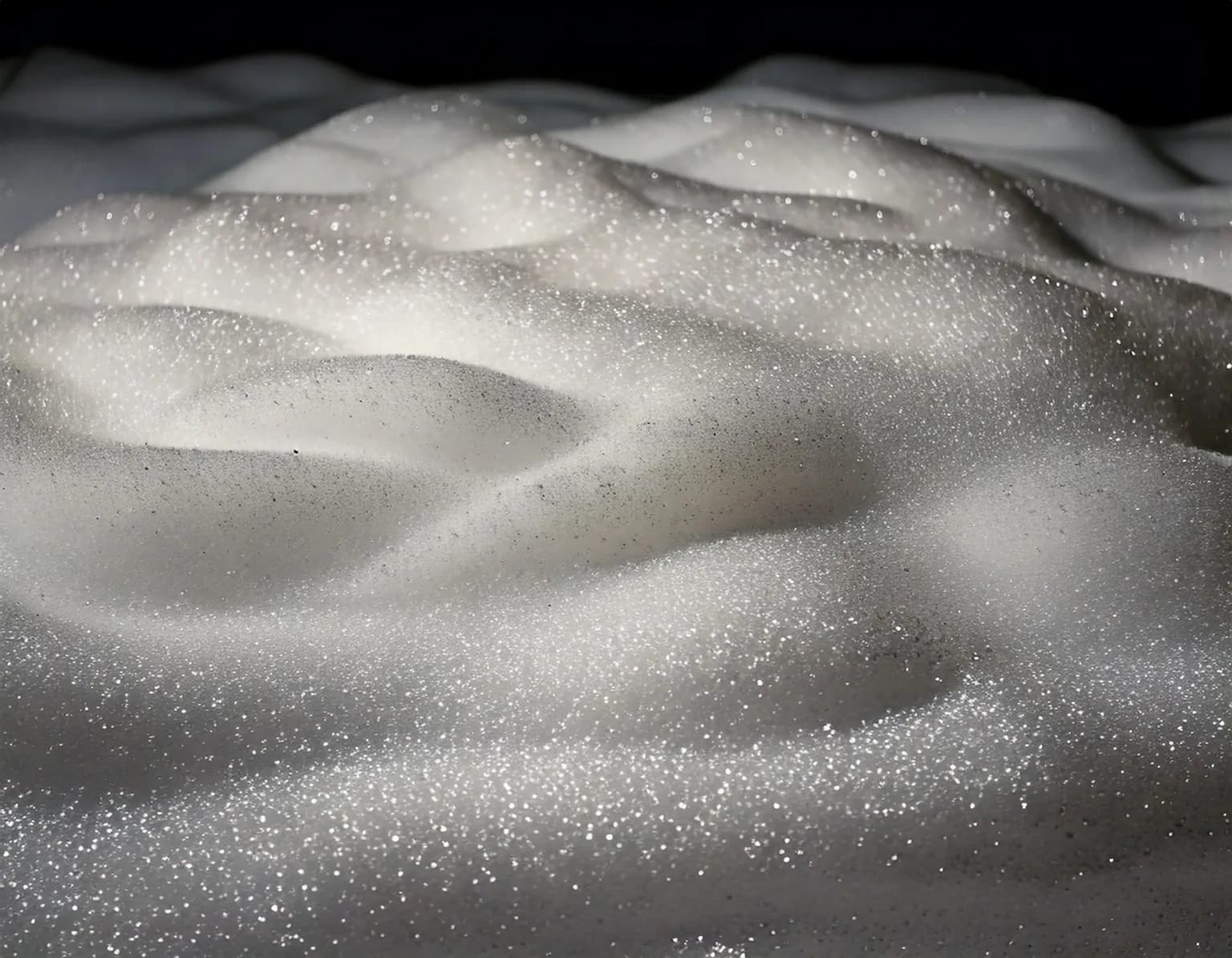
2020
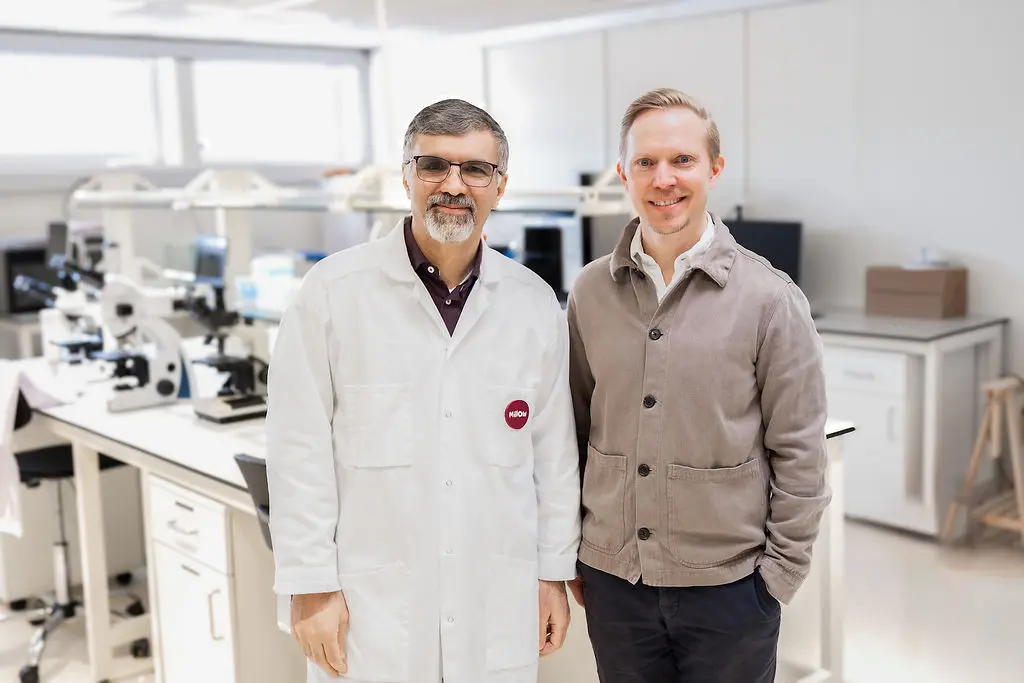
By 2020, Taherzadeh had authored more than 200 papers, making him one of the world's foremost experts in fungi biotechnology. That year, he joined forces with his top doctoral alumni and seasoned food-and-biotech executives to found Svampsson in Gothenburg. The cross-functional team set out to develop a novel dry-state fermentation process that grows nutritious, edible mycelium on Nordic grains - no binders or additives, and a minimal environmental footprint.
2021-2022
Svampsson unveiled its first continuous dry-state bioreactor, the S-Unit, and secured European patent EP 4307913. The system grows edible mycelium directly on grain sidestreams, delivering higher yields while significantly cutting energy use, water use, and CO₂ emissions compared with liquid fermentation.

2023
After two years of brand development with renowned designer Rob Janoff, Svampsson became Millow - a new name, logo, and design system that gives Nordic clarity and fungi innovation a voice.
Rob Janoff - Designer of the Apple Logo


2024
Millow won a landmark €17.5 million blended finance package from the European Innovation Council. That same year, additional wins at MassChallenge Switzerland and EU Horizon underscored its market potential and led to Millow's first commercial partnership with a global food brand.


Inside a converted LEGO brick hall, S-Unit bioreactors rose into a world-first oat-and-mycelium factory - 500 kg a day, per module.
Millow is set to launch first in Northern Europe through foodservice collaborations and co-branded retail partnerships. Stay tuned - the white threads that once nourished emperors will soon be on your plate.
Get your tastebuds ready
Book a Millow tasting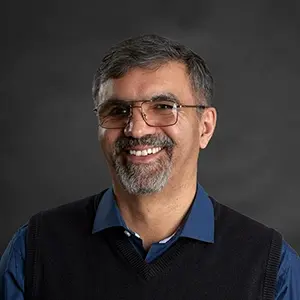
The scientist behind Millow
Inventor · Scientific Founder · Chief Scientific Officer
Professor Mohammad J. Taherzadeh spent three decades turning a stubborn question - why does fermentation have to be so wet and wasteful? - into the science behind Millow. He’s the inventor of our dry-state fermentation: the scientist who taught oats and mycelium to grow into something you’d actually want on your plate.
“For a scientist, there is nothing more compelling than a place where your research has impact the same week you conduct it.”
Read his work